
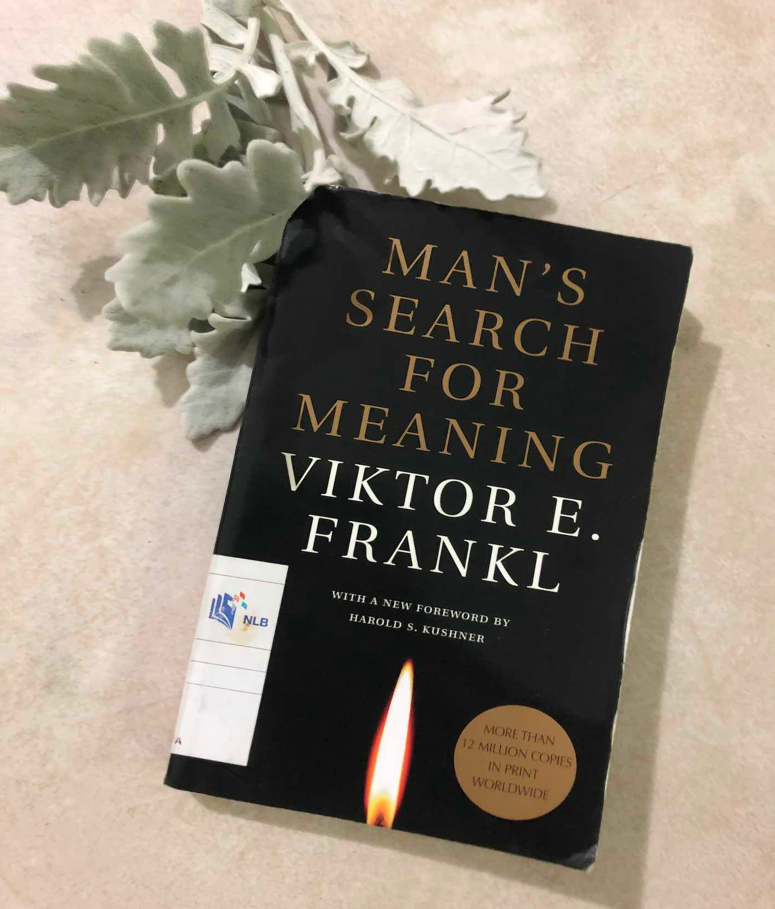

Have you ever wondered what keeps someone alive when all hope seems lost? What inner force sustains the human spirit when stripped of dignity, freedom, and even identity? Viktor Frankl’s Man’s Search for Meaning answers these profound questions through one of the most haunting yet hopeful memoirs ever written. This isn’t just another Holocaust account—it’s a psychological masterclass in finding purpose amid the darkest suffering imaginable. Born from Frankl’s harrowing experiences in Nazi concentration camps, this slim volume has sold over 12 million copies worldwide and transformed countless lives by revealing a fundamental truth: we cannot always choose our circumstances, but we can always choose our response.
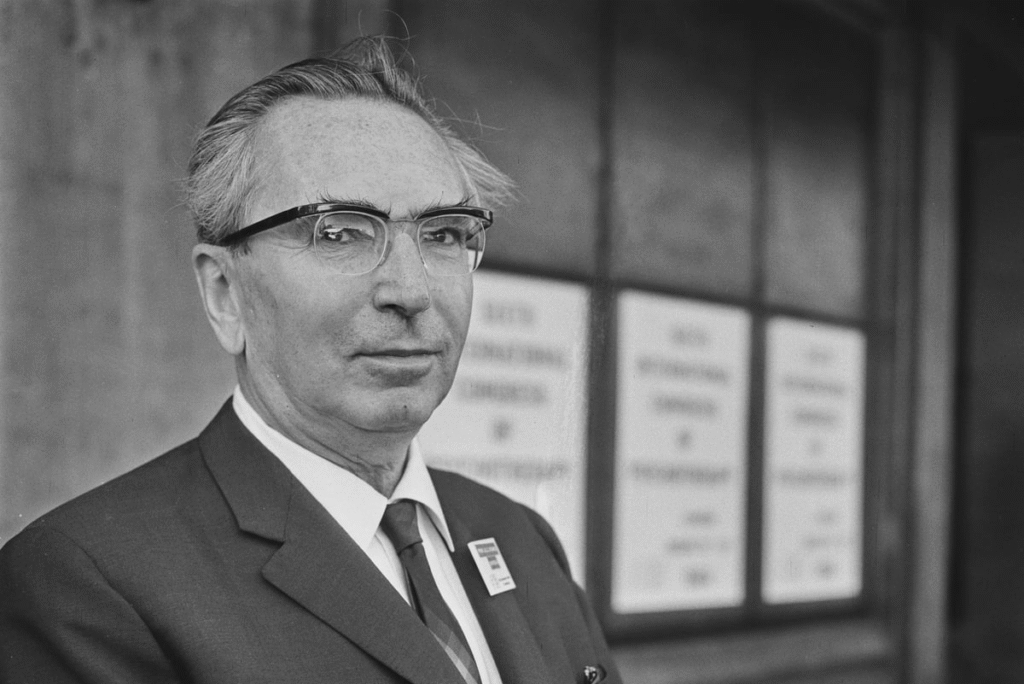
The Man Behind the Message
Viktor Emil Frankl was no ordinary prisoner. When the Nazis deported him to Auschwitz in 1942, he was already a prominent Viennese psychiatrist and neurologist with revolutionary ideas about human psychology. He had received an American visa that could have saved his life, but Frankl made a choice that would define his legacy: he stayed in Vienna to care for his aging parents, knowing full well the horrors that awaited. That decision cost him nearly everything—his freedom, his wife, his parents, his brother, and a manuscript containing his life’s work.
Yet what Frankl gained in those concentration camps would prove more valuable than anything he lost: empirical proof of his theory that the primary human drive is not pleasure or power, but the search for meaning. As a psychiatrist observing his own suffering and that of his fellow prisoners, Frankl turned the camps into an involuntary laboratory where he tested his ideas under the most extreme conditions imaginable.
Inside the Gates of Hell: The Concentration Camp Experience
The first section of Man’s Search for Meaning plunges readers into the brutal reality of camp life with unflinching honesty. Frankl describes not the grand horrors already documented in history books, but rather “the multitude of small torments” that defined everyday existence for the average prisoner. He recounts arriving at Auschwitz after days crammed into cattle cars, witnessing the infamous “selection” process where a casual flick of an SS officer’s finger determined who would live to work and who would die in the gas chambers that very night. Ninety percent of his transport was sent immediately to their deaths.
What sets Frankl’s account apart is his psychological lens. He identifies three distinct psychological phases that prisoners experienced: the initial shock of admission, a phase of relative apathy and emotional death, and finally, the period following liberation. He describes how new arrivals clung to a “delusion of reprieve”—the desperate hope that surely things wouldn’t be as terrible as feared. But reality quickly shattered these illusions.
Frankl witnessed how prisoners were systematically stripped of everything that made them human: their names became numbers tattooed on skin, their bodies were shorn of all hair, their possessions confiscated, their families torn apart. He watched strong men collapse not from starvation or disease, but from losing their “why”—their reason to endure another day. Conversely, he observed that those who maintained some sense of purpose—whether reuniting with loved ones, completing unfinished work, or simply bearing witness—were far more likely to survive.
The memoir doesn’t shy away from disturbing truths. Frankl admits that “the best of us did not return”—that survival often required moral compromises and that the camps created a brutal social hierarchy where prisoner turned against prisoner. Yet even in this hellscape, Frankl found examples of transcendent human dignity: prisoners who shared their last morsel of bread, who comforted others despite their own despair, who maintained their inner freedom even when outer freedom was impossible.
The Psychology of Survival: Three Pathways to Meaning
Frankl’s experiences crystallized into logotherapy, the therapeutic approach that forms the book’s second section. The name derives from the Greek word logos, meaning “meaning” or “purpose.” Logotherapy represents what Frankl called the “Third Viennese School of Psychotherapy,” following Freud’s psychoanalysis (focused on pleasure) and Adler’s individual psychology (focused on power).
At logotherapy’s core lies a revolutionary premise: life has meaning under all circumstances, even the most miserable ones. Frankl argues that we discover meaning through three primary avenues:
1. Creative Work or Deeds – Finding meaning by contributing something significant to the world, whether through professional accomplishments, artistic creation, or simply doing meaningful work. In the camps, Frankl sustained himself partly by mentally reconstructing his lost manuscript, imagining himself one day lecturing on the psychological lessons learned from Auschwitz.
2. Love and Relationships – Discovering purpose through genuine connections with others, particularly through love that transcends physical presence. Frankl’s most poignant passages describe marching to brutal labor in freezing cold while holding imaginary conversations with his beloved wife. Even without knowing whether she still lived (she had perished, though he wouldn’t learn this until liberation), the spiritual reality of their love sustained him. As he writes, “Love goes very far beyond the physical person of the beloved. It finds its deepest meaning in his spiritual being, his inner self”.
3. Attitude Toward Unavoidable Suffering – When circumstances cannot be changed, meaning emerges from the stance we take toward our suffering. This is perhaps logotherapy’s most profound contribution: suffering itself is not meaningful, but we give our suffering meaning through how we respond to it. Frankl observed that prisoners could choose to remain dignified and unselfish, or they could descend into brutality. Those who found meaning in their suffering often displayed remarkable resilience.
Central to logotherapy is Frankl’s concept of the “will to meaning”—the fundamental human drive to find purpose. He quotes Nietzsche frequently: “He who has a why to live for can bear almost any how”. This became the survival formula Frankl witnessed repeatedly: prisoners who lost their “why” typically died within days, while those who maintained purpose endured seemingly impossible hardships.
Freedom in Chains: The Last Human Liberty
Perhaps Frankl’s most enduring insight—the one that transforms this from memoir into philosophy—is his assertion that we always possess one freedom that can never be taken away: the freedom to choose our attitude and response to any situation. As he writes: “Everything can be taken from a man but one thing: the last of the human freedoms—to choose one’s attitude in any given set of circumstances, to choose one’s own way”.
This wasn’t abstract philosophy but hard-won wisdom tested in humanity’s darkest laboratory. The Nazis could control every aspect of prisoners’ external existence, but they couldn’t control the inner life—what Frankl called “the last inner freedom”. Some prisoners used this freedom to maintain dignity, to help others, to find moments of transcendence in nature’s beauty or in memories of loved ones. Others succumbed to apathy and despair.
Frankl illustrates this with remarkable examples: prisoners who paused during forced marches to appreciate a sunset through barbed wire; a dying comrade who found peace by accepting his fate with grace; prisoners who organized clandestine cultural events and shared philosophical discussions despite exhaustion and starvation. These acts weren’t denials of suffering but affirmations that meaning could coexist with misery.
The therapeutic implications are profound. If meaning and purpose can be found even in concentration camps, then they can be found in any circumstance. Frankl challenges the modern assumption that happiness is life’s primary goal, arguing instead that the pursuit of meaning leads naturally to fulfillment, whereas the direct pursuit of happiness often leads to disappointment.
Logotherapy in Practice: Transforming Pain into Purpose
How does logotherapy work in practice? Frankl developed several innovative techniques, though the book focuses more on philosophy than methodology. The therapeutic relationship centers on helping patients discover their unique purpose—recognizing that meaning is personal, specific, and constantly evolving rather than universal or abstract.
Two notable logotherapy techniques include:
Paradoxical Intention – Patients are encouraged to intend or wish for the very thing they fear, often with humorous exaggeration. This technique helps break anxiety cycles and restores a sense of control.
Dereflection – Patients are redirected away from excessive self-focus toward meaningful activities and relationships. This counters the modern tendency toward hyper-self-consciousness that can intensify suffering.
But logotherapy’s most powerful tool remains helping patients identify what gives their life meaning. For some, it’s creative work yet to be completed. For others, it’s relationships that need nurturing or responsibilities that need fulfilling. And for those facing unavoidable suffering—chronic illness, grief, irreversible loss—logotherapy helps them find meaning through their suffering by the courageous stance they take toward it.
Frankl emphasizes that suffering is not necessary for meaning; meaning is possible in spite of suffering. We should always alleviate unnecessary suffering. But when suffering is unavoidable—when we face circumstances we cannot change—our task becomes finding the meaning within our response.
Liberation and Its Discontents: The Third Phase
The book’s often-overlooked final section addresses the psychological challenges of liberation—what Frankl calls the third phase of the camp experience. Surprisingly, freedom brought its own traumas. Prisoners initially couldn’t believe their liberation was real; it seemed like another dream destined for cruel awakening. Their bodies gorged on food for days, unable to trust the abundance.
More painfully, many survivors experienced profound disillusionment upon returning home. Some discovered that loved ones they’d sustained themselves with thoughts of were dead. Others found that people didn’t want to hear about their experiences or responded with uncomfortable platitudes. A few survivors, Frankl notes with sadness, became cruel themselves, justifying mistreatment of others by pointing to their own suffering.
Yet Frankl argues that even the temptation to become bitter or cruel represents another choice point—another opportunity to find meaning through one’s response. He insists that “no one has the right to do wrong, not even if wrong has been done to them”. The ultimate test of meaning isn’t just surviving horror but emerging from it with one’s humanity intact, perhaps even deepened.
Why This Book Matters Today
Seven decades after its publication, Man’s Search for Meaning remains strikingly relevant. In an era of rising anxiety, depression, and what Frankl called “the existential vacuum”—a sense of meaninglessness despite material comfort—his message resonates powerfully. Modern psychology increasingly validates Frankl’s insights through research on purpose, resilience, and post-traumatic growth.
The book speaks to anyone grappling with suffering, loss, or the universal human question: Why am I here? It offers no easy answers or cheerful platitudes. Instead, it provides something more valuable: a framework for finding purpose even when circumstances are beyond our control.
Readers consistently describe the book as life-changing. Many return to it repeatedly during difficult periods, drawing strength from Frankl’s example. The book has been translated into dozens of languages and sold millions of copies not because of marketing but because it addresses fundamental human needs: the need for meaning, for purpose, for hope that transcends circumstance.
A Testament to the Unconquerable Human Spirit
Man’s Search for Meaning is ultimately a book about freedom—not the freedom of open gates and unlocked doors, but the deeper freedom of the human spirit to find meaning regardless of external conditions. It’s about the defiant human capacity to transform even the worst suffering into something meaningful through courage, love, and the refusal to surrender one’s inner life.
Frankl writes with the authority of someone who tested his theories under conditions most of us cannot imagine and pray we never will. His insights aren’t theoretical abstractions but hard truths forged in humanity’s darkest crucible. The book is simultaneously heartbreaking and hopeful, devastating and inspiring—much like the human capacity for meaning itself.
In our contemporary moment, when many struggle to find purpose amid abundance and choice, Frankl’s message feels prophetic. Perhaps we don’t need more options or greater circumstances. Perhaps we need what the concentration camp prisoners needed: a “why” strong enough to endure any “how”.
Who Should Read This Book?
This book speaks to anyone who has ever asked “What’s the point?” in the face of hardship. It’s essential reading for:
- Those facing personal crisis—illness, loss, trauma, or life transitions that challenge your sense of purpose
- Seekers of purpose—anyone grappling with existential questions about meaning, fulfillment, and what makes life worth living
- Mental health professionals—therapists, counselors, and caregivers will find profound insights into human resilience and therapeutic approaches
- Students of history and philosophy—the book offers unique psychological perspective on the Holocaust and existential philosophy
- Anyone feeling stuck or empty—if modern life feels hollow despite material success, Frankl’s insights into the “existential vacuum” will resonate
The book’s brevity (around 150 pages) belies its depth. Many readers report needing to pause frequently to absorb Frankl’s insights, returning to passages repeatedly. It’s not a comfortable read—how could it be, given its subject matter?—but it’s an essential one.
Frankl writes with clinical precision but also with deep humanity, never losing sight of individual suffering while drawing universal lessons. His tone balances unflinching honesty about human darkness with steadfast belief in human capacity for transcendence. The result is a book that honors suffering without wallowing in it, that finds hope without denying horror.
Your Invitation to Discover Meaning
Viktor Frankl’s journey from prisoner number 119,104 to one of the 20th century’s most influential psychologists represents the triumph of the human spirit over the most determined efforts to crush it. His book stands as testimony that meaning isn’t found in comfortable circumstances or easy answers, but in the courageous stance we take toward whatever life presents.
If you’re searching for purpose, struggling with suffering, or simply wondering what makes life meaningful, Man’s Search for Meaning offers profound wisdom earned through unimaginable trial. This is more than a book—it’s a guide for living courageously in an uncertain world, for finding light in darkness, for choosing meaning over despair.
If this story of survival, resilience, and the unconquerable human search for meaning speaks to your soul, grab your copy of Man’s Search for Meaning by Viktor Frankl today on Amazon!
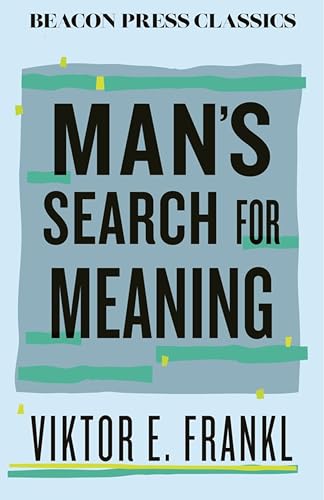
Let Frankl’s hard-won wisdom become your companion in life’s difficult moments, reminding you that even when we cannot change our circumstances, we can always choose how we respond—and in that choice lies our deepest freedom and our greatest source of meaning.