Science Fiction Review
Orbital
by Samantha Harvey
TL;DR
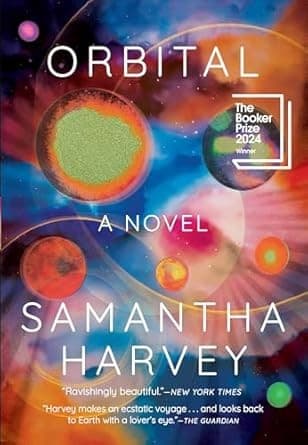
Six astronauts aboard a space station orbit the Earth sixteen times in twenty-four hours, watching sixteen sunrises while carrying out routine work and private reflection. Orbital won the 2024 Booker Prize on the strength of its prose and structure rather than plot — a short, meditative novel about what it does to a person to watch the whole planet cycle past a window every ninety minutes.
What Is Orbital About?
There's very little conventional plot: the novel follows six astronauts and cosmonauts through a single day aboard a space station, structured around the sixteen orbital sunrises they experience in that period. Between routine maintenance tasks and communications with mission control, Harvey moves through each crew member's memories, relationships, and shifting relationship to the planet they can see constantly but never touch, building toward a cumulative meditation on scale, fragility, and distance.
Who Should Read It?
This is for readers who want literary fiction using a science-fiction setting to explore perspective and wonder rather than readers looking for plot-driven space adventure. It rewards patience and close reading more than momentum, and works well for readers who enjoyed Harvey's prose-forward, structurally inventive approach to a familiar genre setting.
Strengths
The novel's structural conceit — organizing the book around sixteen sunrises instead of chapters — is a genuinely elegant formal choice that reinforces the disorientation and repetition of orbital life without needing to state it directly. Harvey's prose captures something real about scale: by almost never describing Earth in the conventional terms of "beautiful blue marble" cliché, the novel finds fresher, more specific language for what it might actually feel like to watch a planet go by on a loop.
Weaknesses
Readers who want a plot, even a quiet one, will find very little forward momentum here — this is a novel of accumulation and mood, not incident. With six point-of-view characters compressed into under 150 pages, several of the astronauts' individual voices blur together rather than standing distinctly apart.
Verdict
Orbital is a rare instance of a prize-winning literary novel earning its premise's built-in sense of wonder — small in length, considerable in what it actually accomplishes with that length.
Disclosure: Ink Reservoir is reader-supported. When you buy through links on our site, we may earn an affiliate commission at no extra cost to you. As an Amazon Associate we earn from qualifying purchases.
Check price on Amazon