Non-fiction Review
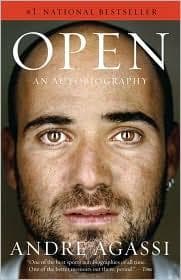
Open: An Autobiography
by Andre Agassi
TL;DR
Andre Agassi opens his memoir with a confession that reframes his entire tennis career: he hated the sport, pushed into it relentlessly by a domineering father, for nearly his whole life at the top of the game. Open is one of the sports genre's most genuinely candid memoirs, elevated by ghostwriter J.R. Moehringer's literary prose into something more substantial than a typical athlete autobiography.
What Is Open About?
Agassi traces his childhood under a father who built a tennis-training machine in the backyard and drilled him relentlessly from toddlerhood, through a career defined by early stardom, public struggles including a positive drug test he initially lied about, a difficult first marriage to Brooke Shields, and an eventual late-career resurgence and marriage to Steffi Graf that finally gave him something like peace — all narrated with a directness rare in athlete memoirs, most of which are written to protect a brand rather than tell the truth.
Who Should Read It?
This is essential reading for anyone interested in sports memoir done with real literary seriousness, not just career highlights recapped by a ghostwriter working from an outline. It works even for readers with only casual interest in tennis, since the book's real subject is identity and the cost of a life built around someone else's ambition for you.
Strengths
J.R. Moehringer's prose (working from extensive interviews with Agassi) gives the book a literary quality that elevates it well above the standard sports-memoir formula of chronological career highlights. Agassi's central admission — that he spent most of his career hating the sport that defined him — gives the entire narrative genuine psychological depth, and he follows through on that honesty by not sanitizing his drug use, his failed first marriage, or his own worst instincts.
Weaknesses
Match-by-match tennis recaps in certain chapters will land best for readers who already follow the sport closely, offering less to readers purely interested in the psychological memoir. The book returns to the father-driven origin of Agassi's resentment toward tennis more than once, covering similar emotional territory without always adding new insight each time.
Verdict
Open remains one of the standout sports memoirs precisely because it refuses the genre's usual victory-lap formula in favor of real, sometimes uncomfortable honesty.
Disclosure: Ink Reservoir is reader-supported. When you buy through links on our site, we may earn an affiliate commission at no extra cost to you. As an Amazon Associate we earn from qualifying purchases.
Check price on Amazon