Non-fiction Review
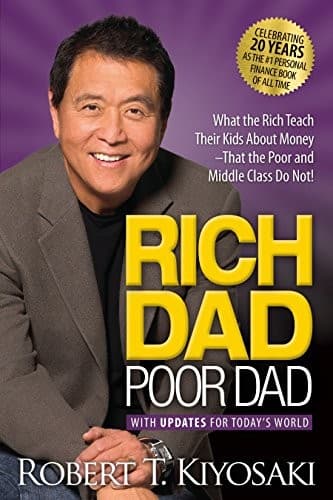
Rich Dad Poor Dad
by Robert T. Kiyosaki
TL;DR
Robert Kiyosaki contrasts the financial lessons of his own father (a well-educated but financially cautious "poor dad") with those of a friend's entrepreneurial father ("rich dad"), building toward a core distinction between assets that put money in your pocket and liabilities that take it out. Rich Dad Poor Dad remains a genuinely useful mindset-shifting introduction to financial literacy, even where some of its specific advice needs updating.
What Is Rich Dad Poor Dad About?
Kiyosaki structures the book as a set of lessons from two father figures with opposite financial philosophies: his own father, who valued formal education and job security, and his friend's father, an entrepreneur who taught him to think about money in terms of assets, liabilities, and financial independence rather than salary. The book argues that conventional advice — get good grades, get a stable job, save diligently — misses the more important lesson of understanding how money and assets actually work.
Who Should Read It?
This works best for readers early in their financial education who've mostly absorbed conventional "get a job, save your salary" thinking and want a genuinely different framework to consider. It's less useful as a source of specific, current investment or business tactics, where readers should supplement with more contemporary material.
Strengths
The assets-versus-liabilities distinction is the book's real contribution — a simple, clarifying mental model that reframes how readers think about purchases and income streams, and it's stuck in popular financial vocabulary for a reason. The parable-driven structure, contrasting two father figures, makes abstract financial concepts land more memorably than a straightforward instructional format would.
Weaknesses
Some of the specific investment and real estate advice reflects a different economic era and has been criticized by financial educators as oversimplified or risky if followed literally today. The authenticity of the "rich dad" figure has long been disputed, which complicates how literally readers should take the book's anecdotal foundation.
Verdict
Rich Dad Poor Dad remains valuable as a mindset primer nearly three decades on — just pair it with more current sources before treating any of its specific tactics as up-to-date advice.
Disclosure: Ink Reservoir is reader-supported. When you buy through links on our site, we may earn an affiliate commission at no extra cost to you. As an Amazon Associate we earn from qualifying purchases.
Check price on Amazon