Horror Review
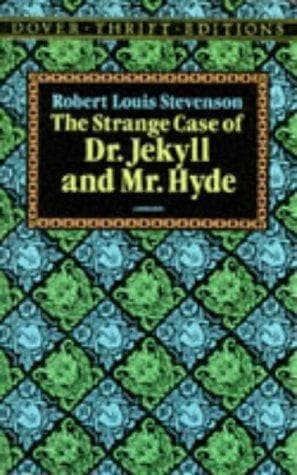
The Strange Case of Dr. Jekyll and Mr. Hyde
by Robert Louis Stevenson
TL;DR
A respectable London lawyer investigates his old friend Dr. Jekyll's association with a violent, repellent stranger named Mr. Hyde, uncovering a connection between the two men that's become one of the most referenced twists in fiction. Stevenson's novella is short, controlled, and — despite its reveal being common cultural knowledge now — still worth reading for the craft of how it withholds and structures information.
What Is Dr. Jekyll and Mr. Hyde About?
Lawyer Gabriel Utterson grows concerned about his old friend Dr. Henry Jekyll, whose will inexplicably leaves everything to a disturbing, violent man named Edward Hyde. As Utterson investigates Hyde's increasingly alarming behavior and Jekyll's own erratic conduct, the novella builds toward a revelation about the relationship between the two men that has become a permanent part of the cultural vocabulary for describing a person's hidden darker self.
Who Should Read It?
Readers who've absorbed "Jekyll and Hyde" as cultural shorthand without reading the actual source text will find the real novella considerably smarter in structure than the shorthand suggests — Stevenson tells almost the entire story from an outside investigator's perspective, which is a sharper choice than modern adaptations usually preserve. It's short enough to read in a single sitting.
Strengths
Stevenson's economy is the novella's real achievement — every scene does structural work, and the book makes its argument about repression and duality in a fraction of the length most gothic fiction takes to do less. Told from Utterson's outside investigative viewpoint rather than Jekyll's own, the mystery-structure is smarter than most people expect from a story this culturally absorbed.
Weaknesses
The central twist is now so thoroughly embedded in popular culture that it's nearly impossible for a modern reader to experience the novella's originally intended shock. Victorian prose rhythms, while not especially dense, do require more patience than contemporary readers may be used to for a story this short.
Verdict
Even with its twist spoiled by osmosis, Dr. Jekyll and Mr. Hyde rewards a direct read — the craft holds up considerably better than the shorthand version most people already know.
Disclosure: Ink Reservoir is reader-supported. When you buy through links on our site, we may earn an affiliate commission at no extra cost to you. As an Amazon Associate we earn from qualifying purchases.
Check price on Amazon