Non-fiction Review
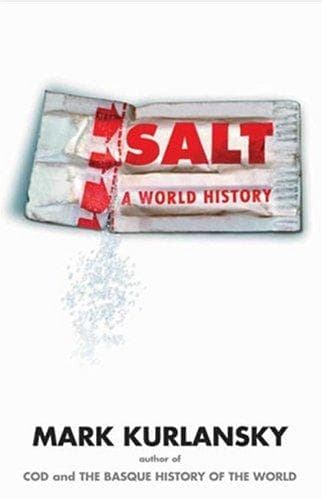
Salt: A World History
by Mark Kurlansky
TL;DR
Mark Kurlansky traces salt's role across millennia of human history — as preservative, currency, tax base, and trigger for conflicts from ancient China to the French Revolution to Gandhi's Salt March. Salt is a sprawling microhistory that makes a genuinely convincing case for a mundane mineral as a real engine of civilization, even where its ambitious scope occasionally spreads thin.
What Is Salt About?
Kurlansky follows salt production and trade from ancient China's state salt monopolies through Roman salt roads, medieval European preservation economies, colonial-era salt taxation, and Gandhi's famous Salt March protesting British salt taxes in India, arguing throughout that access to and control of salt shaped political power, economic systems, and even cuisine across civilizations that otherwise had little else in common.
Who Should Read It?
This is a strong pick for readers who enjoy microhistory — books that use a single, seemingly mundane object or commodity as a lens into much larger historical patterns. It rewards curious, patient readers more than those looking for a tightly focused single narrative.
Strengths
The sheer range of genuinely surprising connections Kurlansky draws — salt's role in preservation technology, in triggering specific historical conflicts, in shaping trade routes across continents — makes a strong cumulative case that this "boring" commodity deserves the book-length treatment. Kurlansky consistently finds the human, often culinary, story inside what could have been dry economic history, including recipes and regional detail that keep the material grounded.
Weaknesses
Covering multiple continents and millennia in one book means some sections read more like a survey than deep analysis of any single period or region. A handful of chapters covering salt production techniques in exhaustive technical detail slow the pace more than the book's livelier historical narrative sections.
Verdict
Salt succeeds as a genuinely engaging argument for how much a single mundane commodity can reveal about the shape of world history — ambitious in scope, and mostly earns that ambition.
Disclosure: Ink Reservoir is reader-supported. When you buy through links on our site, we may earn an affiliate commission at no extra cost to you. As an Amazon Associate we earn from qualifying purchases.
Check price on Amazon