Non-fiction Review
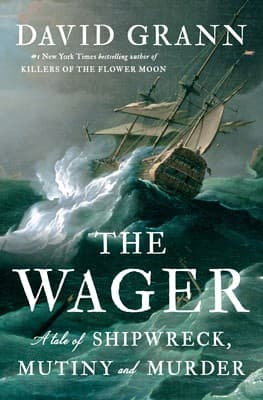
The Wager: A Tale of Shipwreck, Mutiny and Murder
by David Grann
TL;DR
In 1741, the British warship Wager wrecked off the coast of Patagonia, and the desperate, divided survivors who eventually made it back to England told wildly different, self-serving accounts of what happened — including accusations of mutiny that could have gotten the accused hanged. David Grann reconstructs the wreck, the survival ordeal, and the battle over the story itself with the same meticulous, propulsive research that's defined his other narrative nonfiction.
What Is The Wager About?
The HMS Wager, part of a British squadron sent to raid Spanish ships during a war of imperial ambition, wrecks on a desolate island off Patagonia, stranding its crew in brutal conditions with dwindling supplies and collapsing discipline. When different groups of survivors eventually make it back to England years apart, each brings home a different account of what happened on the island — including allegations of mutiny — turning the aftermath into a court-martial where the central question isn't just what happened, but whose version of events survives.
Who Should Read It?
Readers who want meticulously sourced historical nonfiction with genuine narrative tension will find this a strong entry point, whether or not they've read Grann's other work. It's a good fit for readers who enjoy survival narratives that end up being as much about the unreliability of testimony as about physical endurance.
Strengths
Grann's research into primary documents — court-martial transcripts, survivors' own journals and later accounts — grounds even the book's most dramatic scenes in verifiable detail, which gives the survival sequences real weight beyond just adventure-story momentum. The novel's real thematic achievement is treating the competing survivor accounts as the actual subject: the book becomes as much about how people construct self-serving narratives as about the shipwreck itself.
Weaknesses
The court-martial section that closes the book, while thematically necessary, shifts the pace considerably after the propulsive survival narrative that precedes it. Grann largely lets the imperial and colonial context of the voyage speak for itself rather than offering more direct analysis, which some readers may want more of.
Verdict
The Wager delivers a gripping survival story and then does something smarter with it — turning the fight over whose account gets believed into the book's real, unsettling subject.
Disclosure: Ink Reservoir is reader-supported. When you buy through links on our site, we may earn an affiliate commission at no extra cost to you. As an Amazon Associate we earn from qualifying purchases.
Check price on Amazon